



The Secret World

I’ve kept the combat analysis intentionally brief, but as a primer for less action-oriented gamers, here are a few extra pointers for further help:
1) Blue kit is better than green; get as many blues as you can.
2) The best kit is found in dungeons (you’ll need a team for these) or bought (with in-game currency, not real money) from the market.
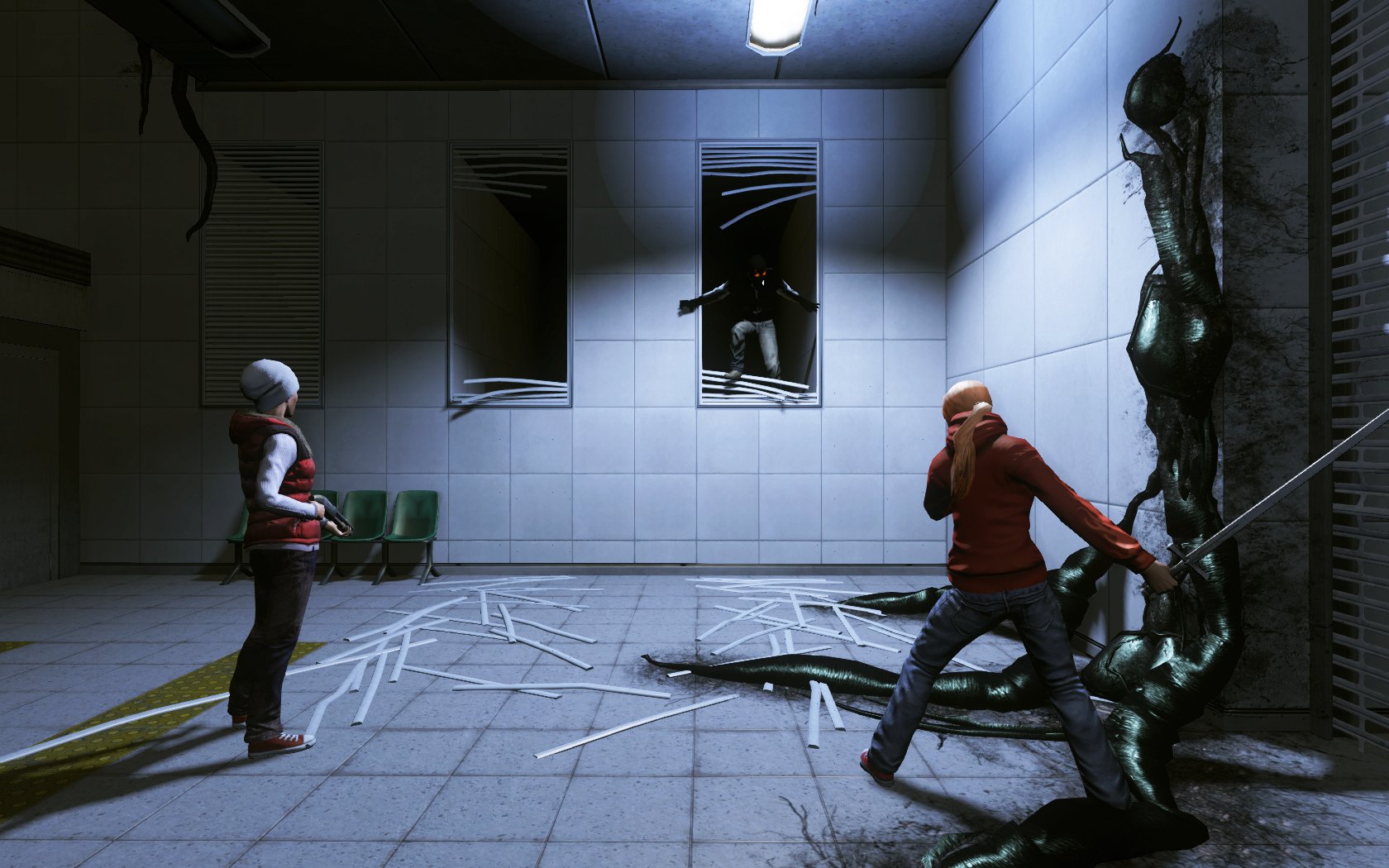
3) Pick a deck and work towards it: these are predefined sets of skills that help you focus where to spend your AP/SP (they also come with a funky costume if you complete the set.)
4) Finally, if you have a few spare pennies (in real life, as there is an item store where you can spend actual money), you can do worse than to grab a couple of potions to increase your AP more quickly; it’ll mean you won’t be stuck on a boring battle for too long.
Once you’re a lean mean fighting machine with a taste for zombie flesh, after the first few establishing missions in your starting city you’re dispatched to Kingsmouth. In my case I traveled from London through Agartha, a network of roads linking London with all the action zones. You’re initially following the first objective of the main story quest, which shows up as an X on the mini-map in the top right of the screen. Upon arriving in Kingsmouth, you soon find that all is not well in this sleepy New England port town; the dead have started to rise and strange creatures are shuffling out of the waters.
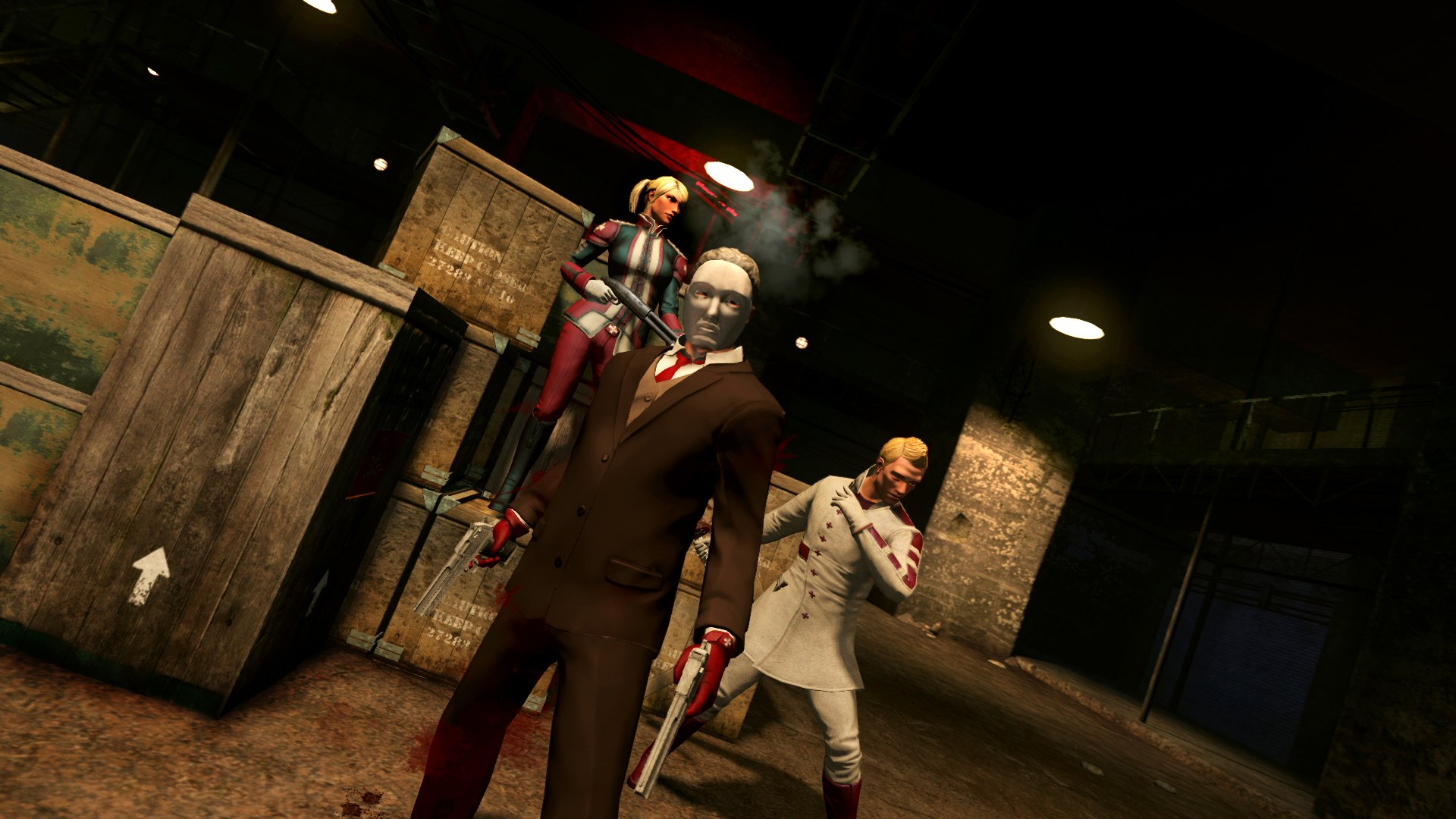
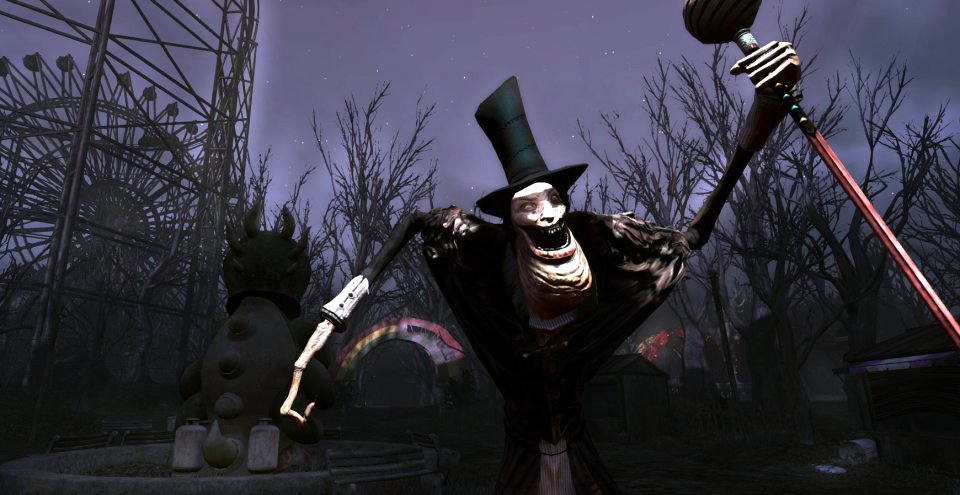
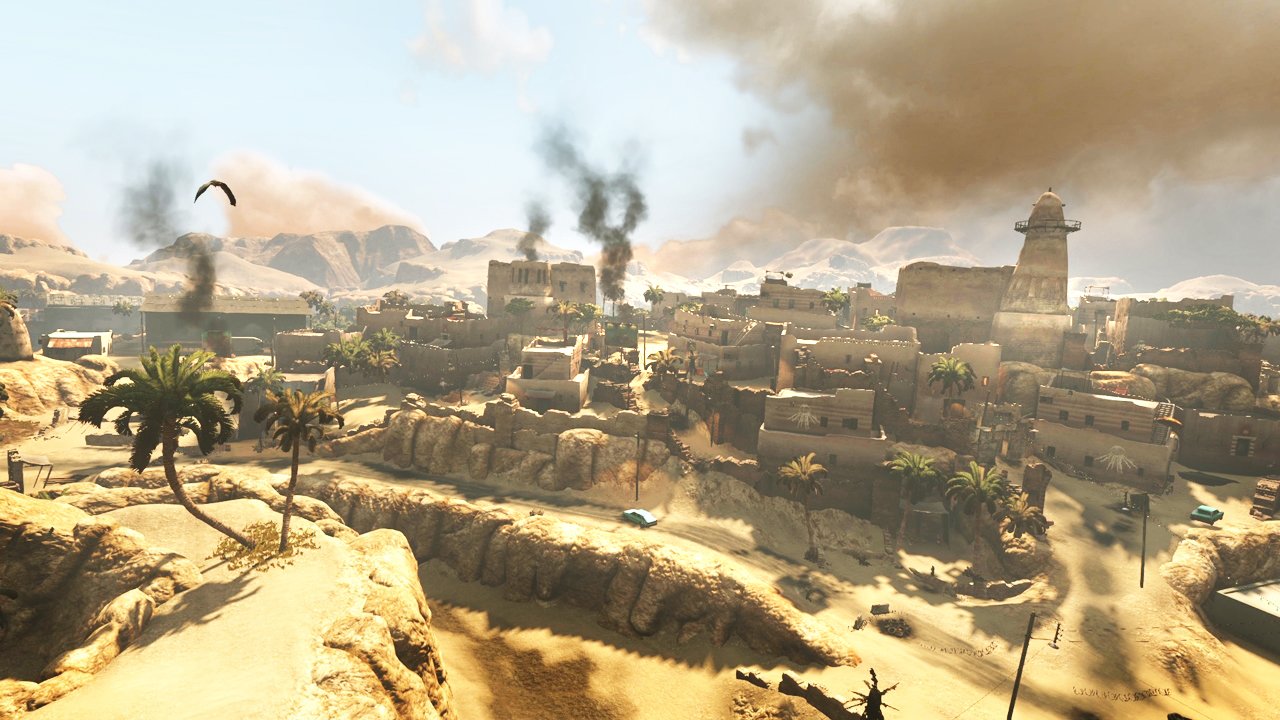
H.P. Lovecraft’s inspiration is immediately evident – if you’ve played The Shadow of the Comet or seen movies like The Fog, you’ll recognise the familiar setting as soon as you arrive. In fact, creating such atmosphere is what The Secret World does exceptionally well. A lot of care and attention has gone into the stunning surroundings and environments, along with the correct blend of haunting drones and nerve-shredding wails. Kingsmouth is a dark mix of sorry-looking buildings shrouded in mist that rolls gently in from the murky sea. The colours are rich and moody, with extraordinary amounts of detail to really bring the place to life. You’ll need a powerful PC to get the most out of the graphics, but even on the lowest setting it’s still a treat for the eyes. Similarly, a lot of effort has gone into a soundtrack that never ceases to impress. There’s a single battle tune that can sometimes get a little repetitive, but the atmospheric music as you move through the game is marvellously fitting without ever feeling overbearing.
Eventually you arrive at your first point of contact: Sheriff Bannerman, who’s part of a wonderful cast of secondary characters that includes Moose, with his unrequited love for deputy Andy, Anastasia and her living wagon, and some witty Oxford archaeologists in the desert. All the non-player characters (NPCs) are fully voiced with their own cutscenes and conversation options. The voice talent on offer is excellent, with no one standing out as clunky or unnatural. Their dialogue is usually a mix of glib off-the-cuff remarks and heavy-handed ramblings about the current plight, including their own opinions on the spiritual and physical ramifications, akin to the conversations between April and Cortez in The Longest Journey. Although not written exclusively by Tørnquist, the intelligent script befits his previous work, so his fans will feel right at home. Whilst you can’t respond (your character never speaks), clicking through the dialogue speech bubbles is a delight as you listen to each individual’s take on the situation around them. There’s also a wonderful sense of humour; one denizen of Kingsmouth managed to avoid the first wave of zombies by being inappropriately ‘tied up’ in her bedroom at the time.
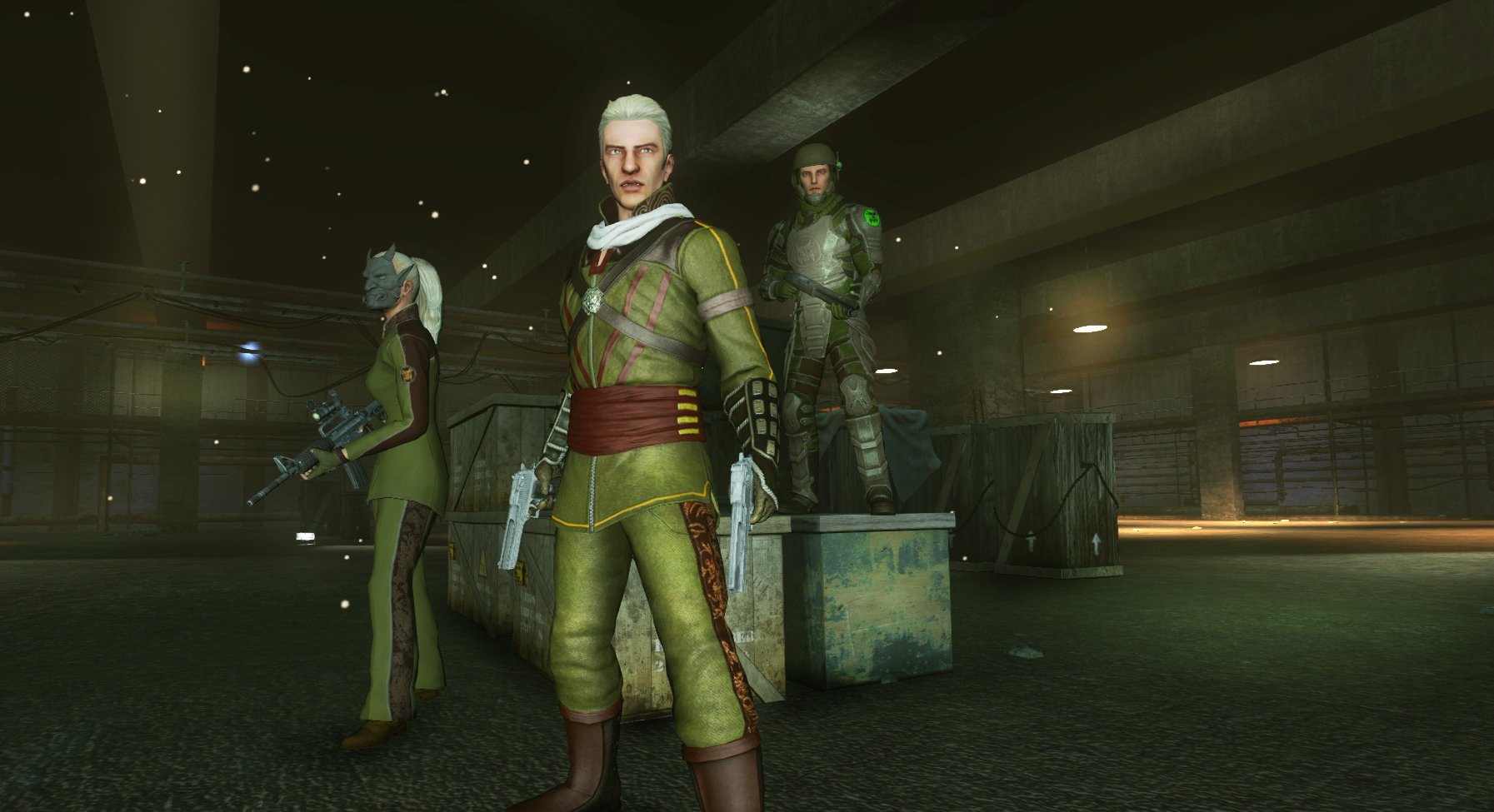
After visiting the sheriff, you’ll want to branch out and take on some of the side quests available. You are free to meet NPCs (marked on your map) in any order (limited only by the difficulty of the baddies surrounding their location), as it’s from these characters that you pick up the missions that help you proceed through the game. All side quests are split into tiers, with each objective moving you onto the next tier once achieved; missions have an average of 4 to 5 tiers, with a whole mission taking roughly 20 – 30 minutes to complete. There are even smaller side missions that appear in the landscape as turquoise boxes, but they’re really just good for experience points; they have no associated story and only take a couple of minutes to finish. At any given time, you’re allowed one side-story mission and up to three small missions in addition to the main story quest.
The main side quests come in four formats, all introduced through a fully-voiced cutscene: red are action, yellow are stealth, green are investigation and purple are dungeons (which are just for multiplayer groups). Reds are the bread-and-butter of the game; you’ll take them regularly to earn the AP necessary to beef up your character. The cutscenes and story elements surrounding them are nice, but the quests themselves usually just involve running from place to place, shooting and killing anything you find and then reaping the EXP at the end. Yellows were my least favourite, as they involved trying to sneak into bases and castles without being noticed – a mechanic that hasn’t been very well implemented and often leads to clunky trial-and-error gameplay.
By far the most appealing missions for an adventure gamer are the green investigations. These are the puzzle quests that involve little-to-no combat and instead have players researching local history and decoding messages. You also need to broaden your horizons by researching online via the built-in browser; Funcom has set up various dummy sites about the organisations you encounter, which you need to trawl through to get personnel details, addresses and passwords. The missions vary in difficulty but can take quite a while to solve, especially as the objectives can sometimes be vague, such as ‘find out more about the murders’.
Latest Gaming Articles
All Articles