



The Sinking City with Frogwares’ Sergey Oganesyan

[b]Ingmar Böke[/b]: Hi Sergey. Welcome to Adventure Gamers! For those who may not be familiar with you, please introduce yourself and your role at Frogwares.
[b]Sergey Oganesyan[/b]: Hey, my name Sergey Oganesyan. I’m a community manager at Frogwares who has been with the company for the past six months.
[b]Ingmar[/b]: The Sinking City is an “open world investigation game inspired by H.P. Lovecraft”. Please give us a more detailed idea of the concept.
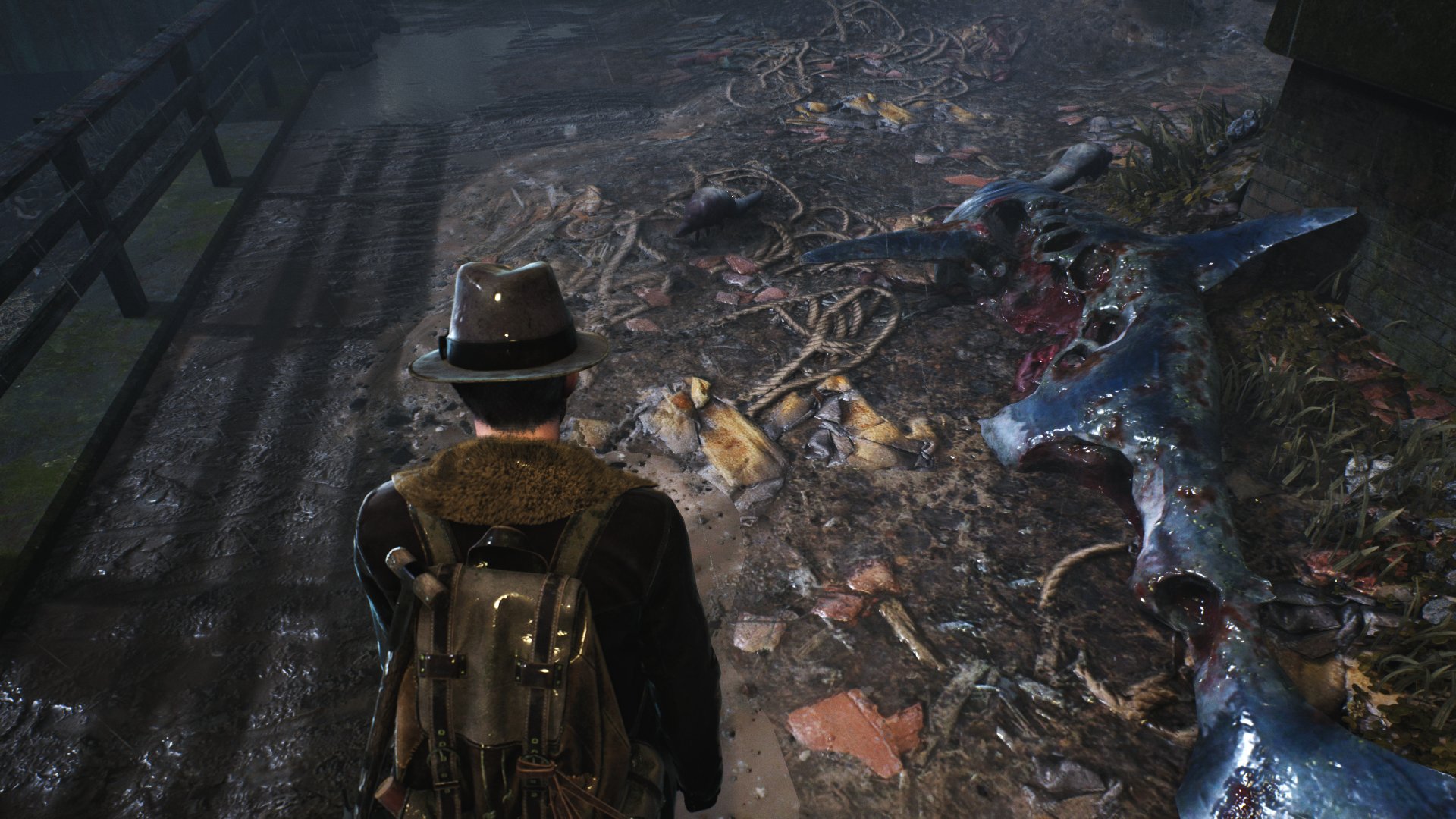
[b]Sergey[/b]: Let’s start from the beginning. The Sinking City is a third-person, open world action-adventure game, which actually exists in the Lovecraft universe. It takes place in the fictional city of Oakmont, Massachusetts, in the 1920s United States, not that far from Dunwich, Arkham, Innsmouth, etc. (this area is often referred to as Lovecraft country). The main character is a private detective – with a troubled past, I might add – who arrives in Oakmont amid a terrible disaster.
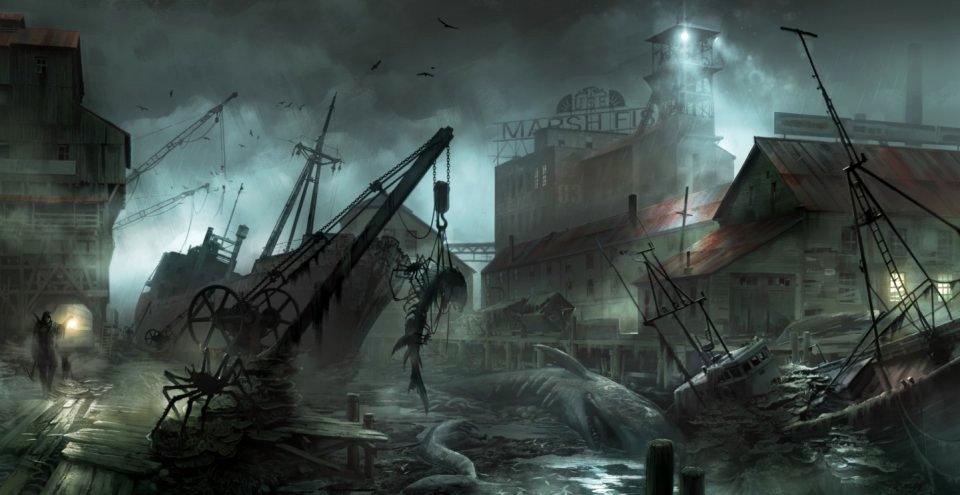
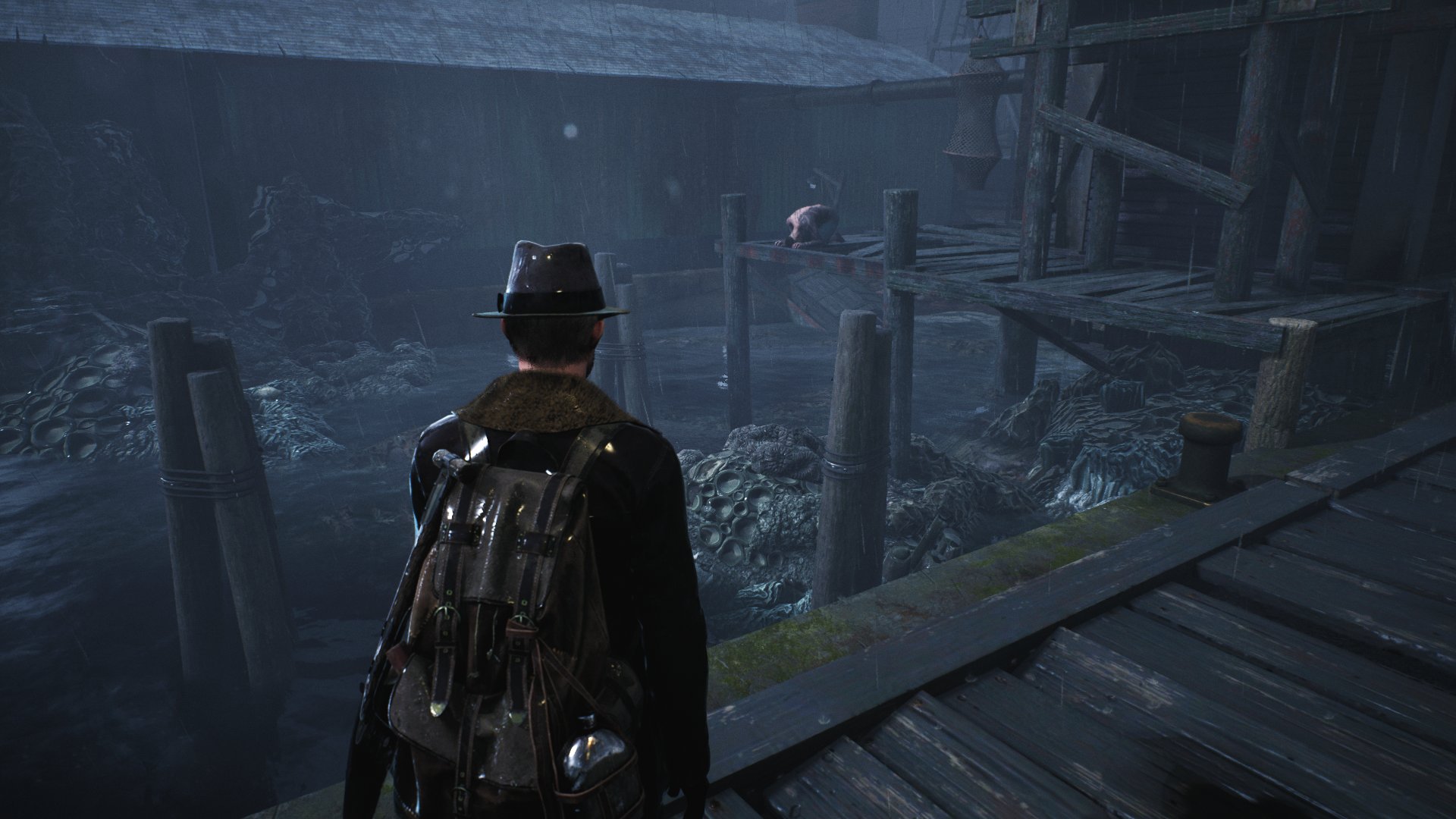
This seaside city is suffering an inexplicably mysterious flood, and terrible monsters are now roaming its streets. Nobody knows where the flood came from or why it won’t go away, or what these murky waters hide in their depths. Our goal is to get to the bottom of what’s happening and why, and not because our hero is such a good Samaritan, but because he has his personal reasons to get involved.
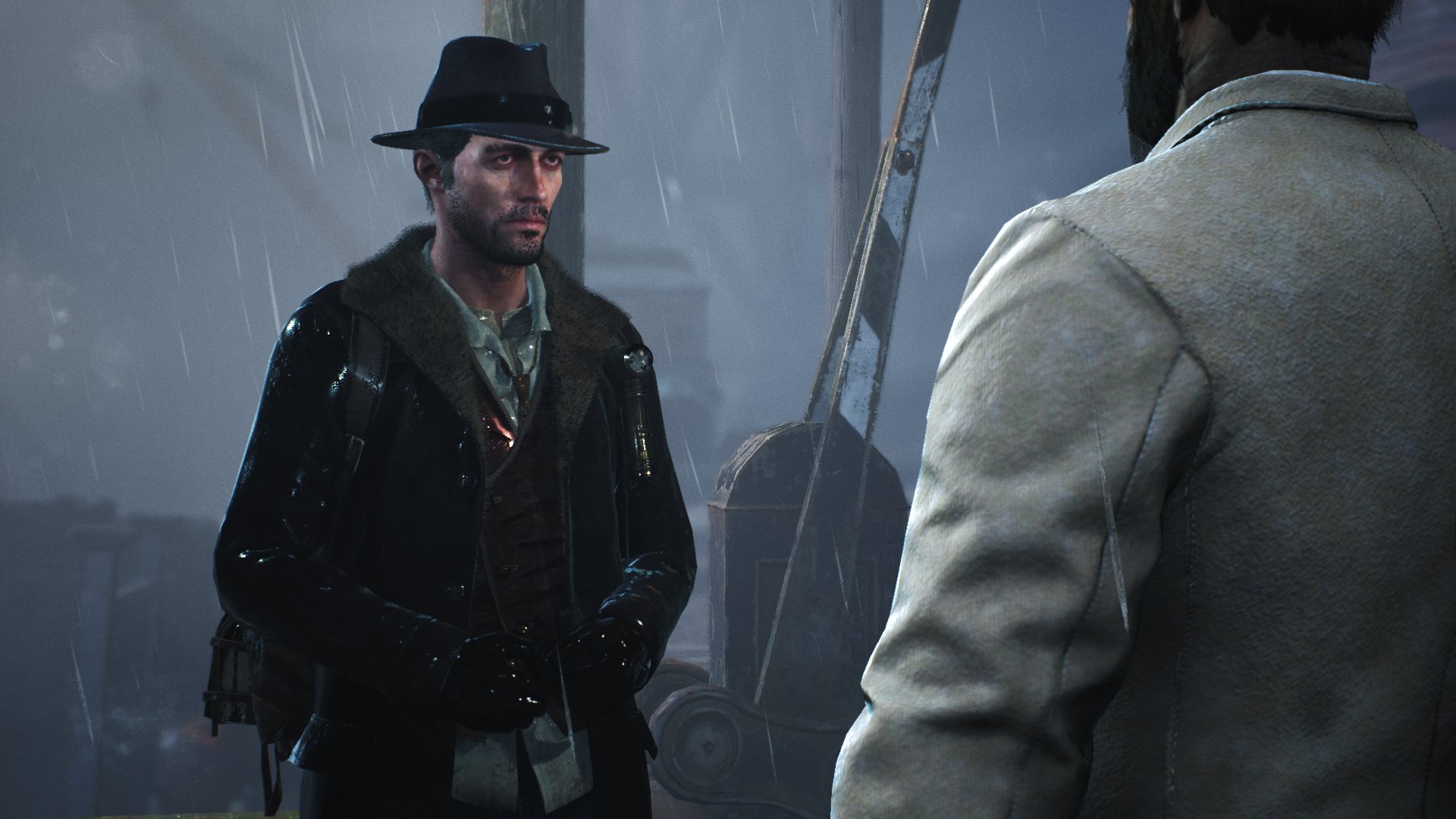
Lovecraft, open world and investigation are the three pillars we are building The Sinking City on. We are drawing a lot of inspiration from Lovecraft’s books, incorporating his underlying themes, such as the famous cosmic fear and fear of the unknown.
[b]Ingmar[/b]: How did Frogwares come up with the idea for this unusual project, and what design challenges has the open world approach posed for the team?
[b]Sergey[/b]: Oh, we have always wanted to do a Lovecraftian game. Our CEO is a big fan of his works, and a lot of people in the company, you know, ‘feel’ his ideas, especially our narration team. And to be honest, it’s not that surprising that we eventually decided to do a Lovecraft-inspired project. We explored the Cthulhu Mythos in one of our previous games, Sherlock Holmes: The Awakened.
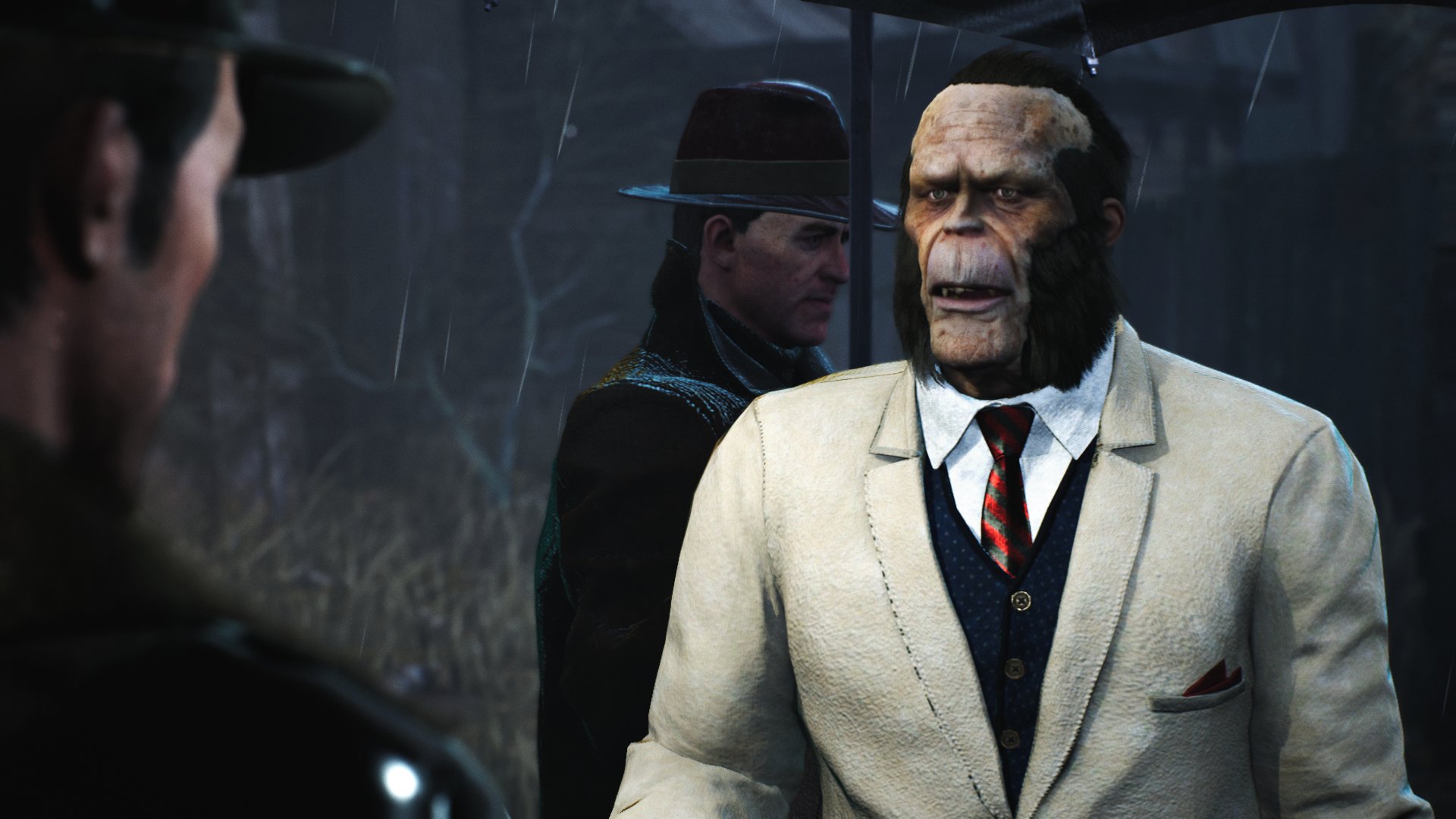
You know what’s kinda funny, though? The biggest challenge for us wasn’t actually the implementation of Lovecraft’s concepts in our game. That’s not that hard, especially considering how vague he was in describing many things in his books. That gives us a lot of freedom. But making an open world, oh boy, that was a real struggle at first.
Turns out, creating a city wasn’t as simple as drawing some streets and putting some buildings on top. A city is actually an intricate ecosystem, and in order to achieve that we decided to hire an architect. What’s more, we are not from the United States; we live in Ukraine, and not in the 1920s… So we had to do a hell of a lot of research, analyze different cities (real and fictional), sent our team to Boston to try to capture that feeling, and search and search and search for references.
[b]Ingmar[/b]: The city of Oakmont is part of Lovecraft lore. What Lovecraft stories are particularly important for the game world and storytelling in The Sinking City?
[b]Sergey[/b]: I can’t really say if there’s a particular book we are drawing our inspiration from. I mean, sure, we use a lot of them, like The Shadows Over Innsmouth, for example, but to what extent we do use them would be spoiler territory. What I can tell you is that we want to convey Lovecraft’s underlying themes, which I mentioned earlier: the fear of the unknown, fatalism, the insignificance of human lives, that cosmic fear. To give you an example, the flood in our game represents exactly that. We don’t know what it is, we don’t know why it came. What we do know is that it easily destroyed our world as we knew it. Just like that, in a moment, it devoured the city and completely paralyzed it, highlighting our insignificance and the insignificance of our effort to build something.
What I can also tell you is that the events that happened in the books are canon for us. We recognize them, and we tie our game into the universe Lovecraft and his followers created. Yes, the Great Old Ones exist in our game. Yes, hybrids are in our game. Yes, there are some names that Lovecraft fans will know from books. But in the end, it’s our world.
[b]Ingmar[/b]: How does the investigation element work? Can you give some examples?
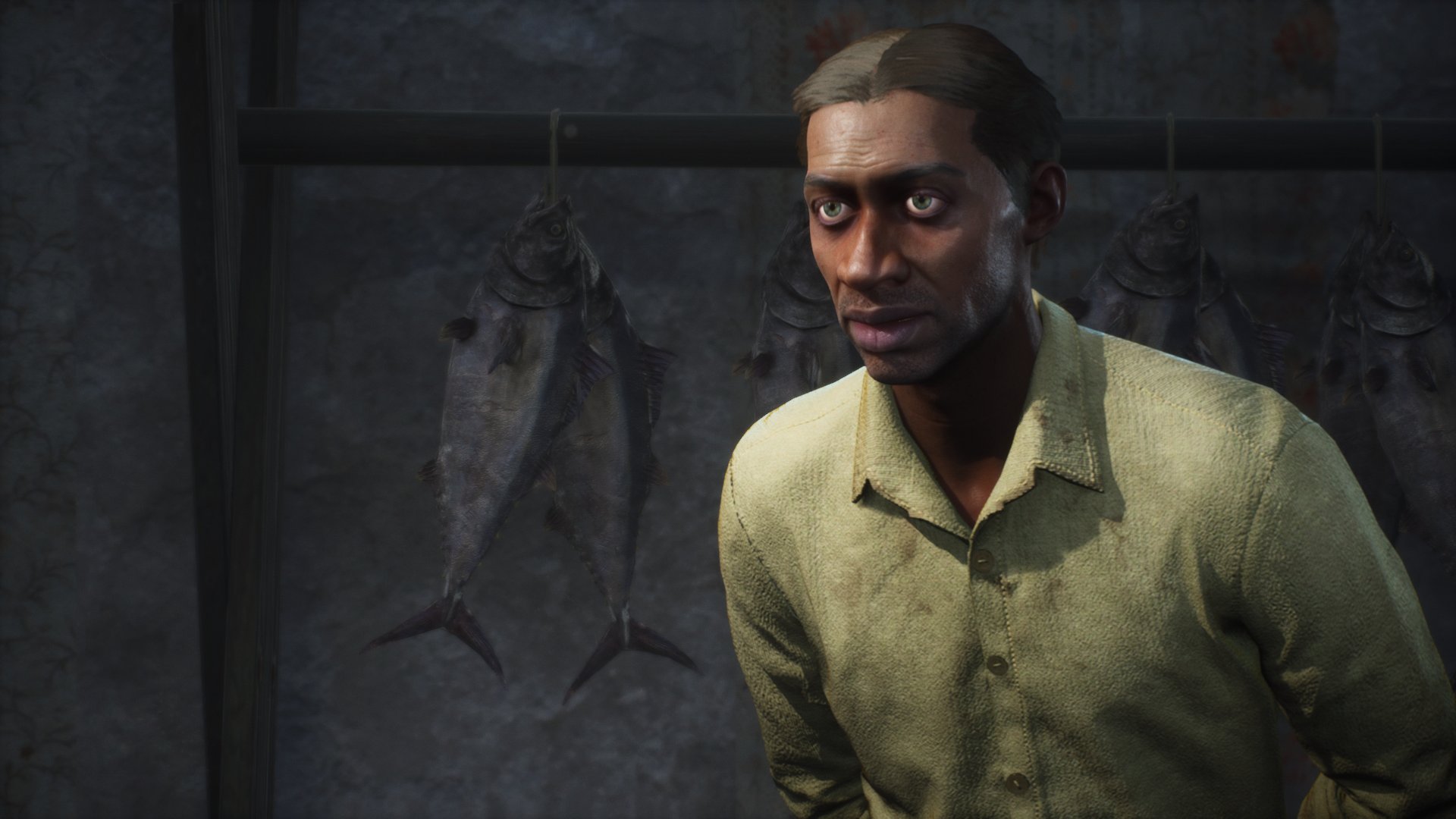
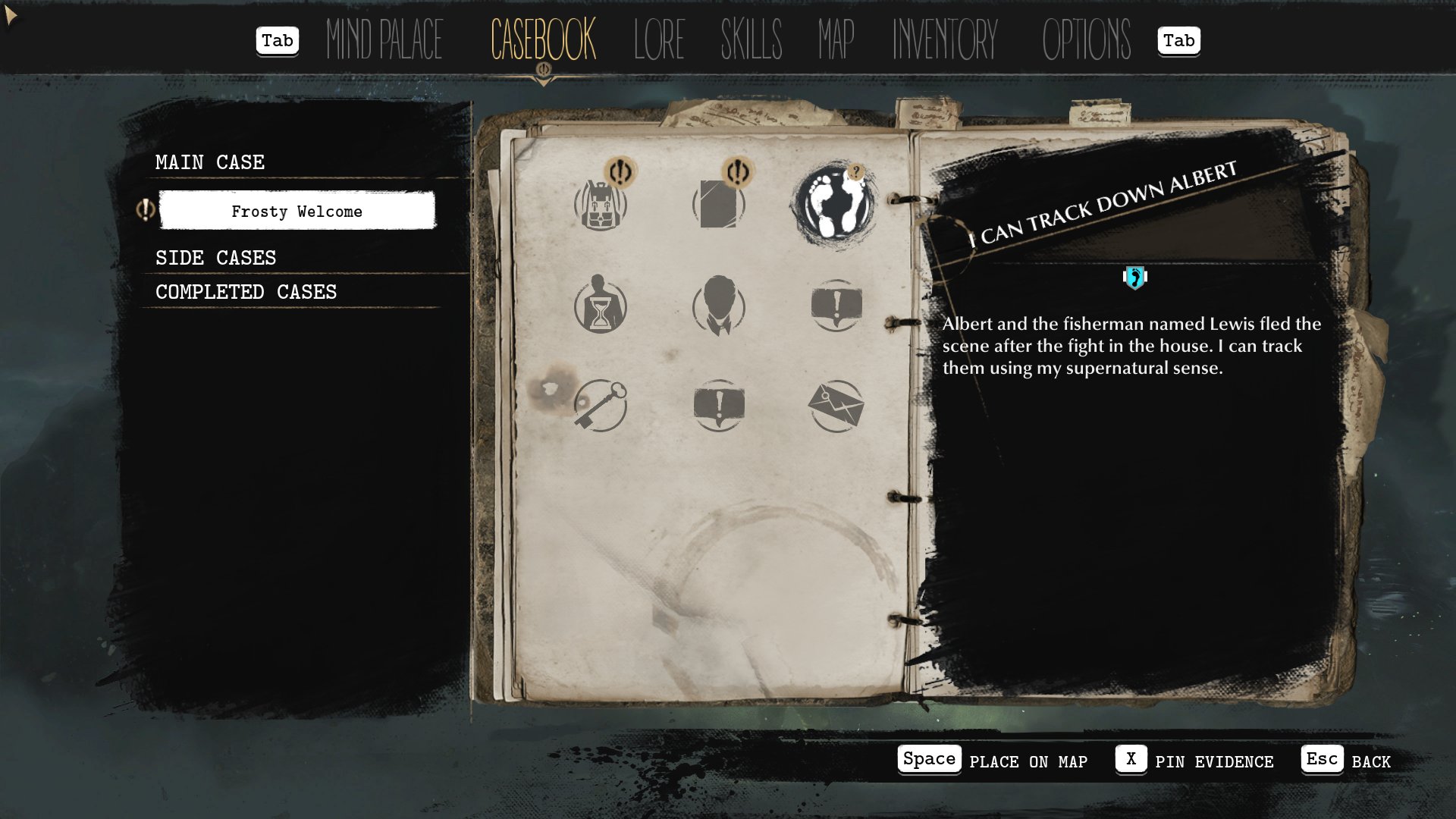
[b]Sergey[/b]: We really, really want to make the game your personal adventure, and we are using gameplay to achieve that. How do we do it? I’d say the biggest thing about our investigation system is almost zero handholding. This means we don’t want to tell you where to go or what to do; it’s up to the player to figure that out. No objectives in your diary, no markers on the map to guide you to the next stage of your investigation.
Imagine that. You get asked to do something – find a missing person, or investigate strange occurrences, anything. You open up your map and there’s nothing telling you where to go. So maybe the person asking for help mentioned an address? Our streets have names, so you can use that to find the right location. You’ve found a clue and don’t know what to do with it? You can go to the local government institutions. Though barely functional, there might be someone there who will tell you more about it.
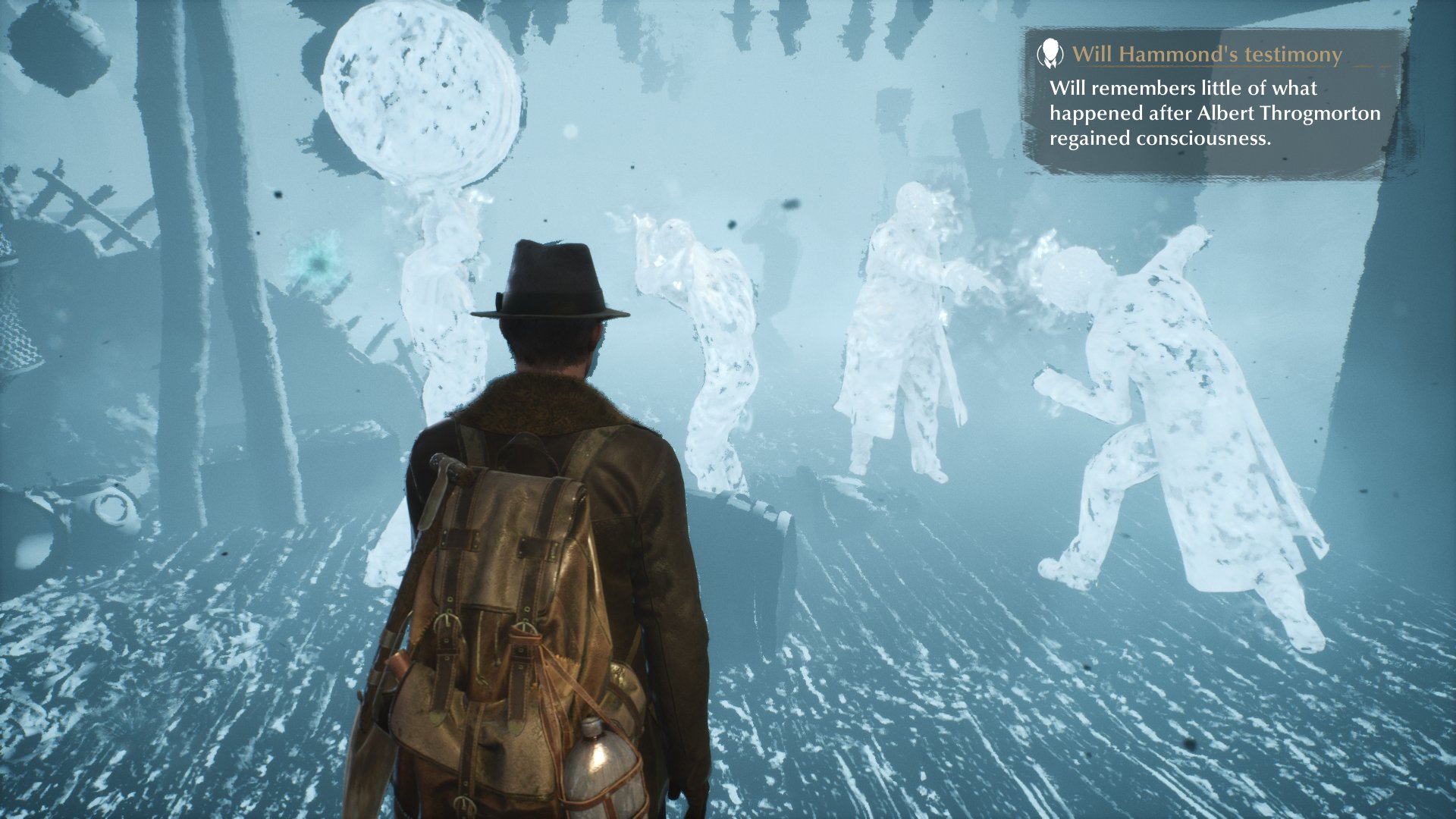
Step by step, you can untangle this riddle by using your intuition and wits. And the more pieces of evidence you find, the more you analyze them, the more probable it is that you will see the full picture. Because in The Sinking City, finding a seemingly optional clue might completely change your perspective. Maybe it will help you realize who the real culprit is. Or maybe it will give you some background information on your target and help you understand their motives. Who knows?
[b]Ingmar[/b]: Moral choices were an important aspect of the last two Sherlock games. What about The Sinking City?
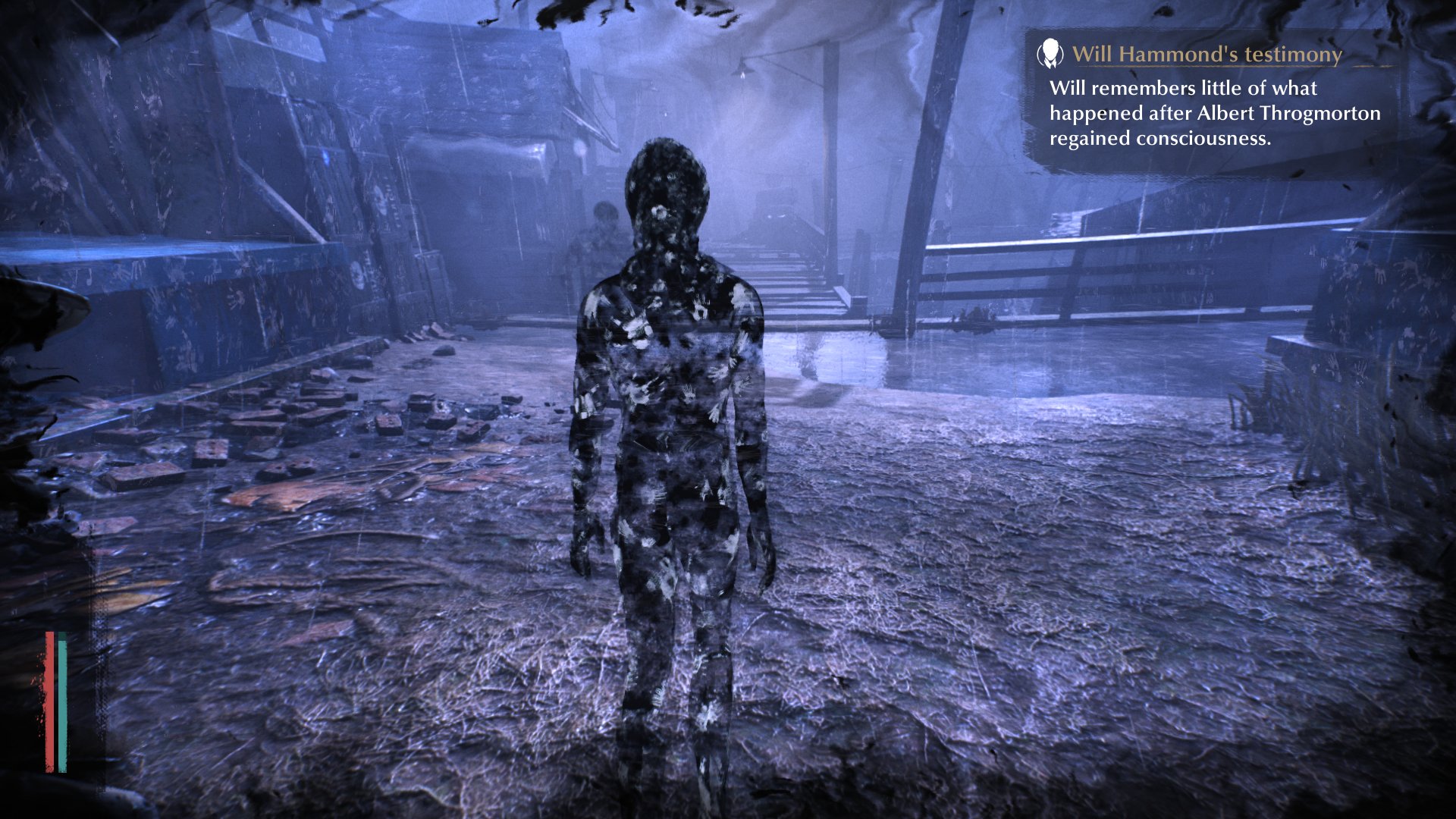
[b]Sergey[/b]: Following up on the previous answer, yeah, moral choice is a key element of The Sinking City. More often than not, you’ll be prompted to pass judgement on someone you consider responsible for something. And it’s up to you to deliver this judgement, or, you know, avoid delivering it. We don’t want to create morally black and white characters, and we always want to give you reasons to actually care about making the choice. Yeah, you might find some characters despicable, some evil, but usually it depends on your own moral compass and your ability and desire to understand why they do what they do.
[b]Ingmar[/b]: Is there going to be something like the deduction board in the latest Sherlock Holmes games?
[b]Sergey[/b]: Well, we are certainly using the experience we have obtained from making the Sherlock Holmes games, but we also want to bring the investigation mechanics up a notch. The deduction board we believe is a really cool element, and we want to use it in some way to help players reach their conclusions. I can’t say what it is going to look like, though. Alongside some other, completely new gameplay mechanics that we’ve never done before.
Latest Gaming Articles
All Articles