



GDC 2016 round-up


Burly Men at Sea
Brain&Brain is a husband and wife team, David and Brooke Condolora, whose decision to make adventure games grew out of their enjoyment of playing them together. It’s a love that shows in Burly Men at Sea, a charming take on Scandinavian folklore and bearded sailors with a puzzle-lite, storybook-like format.
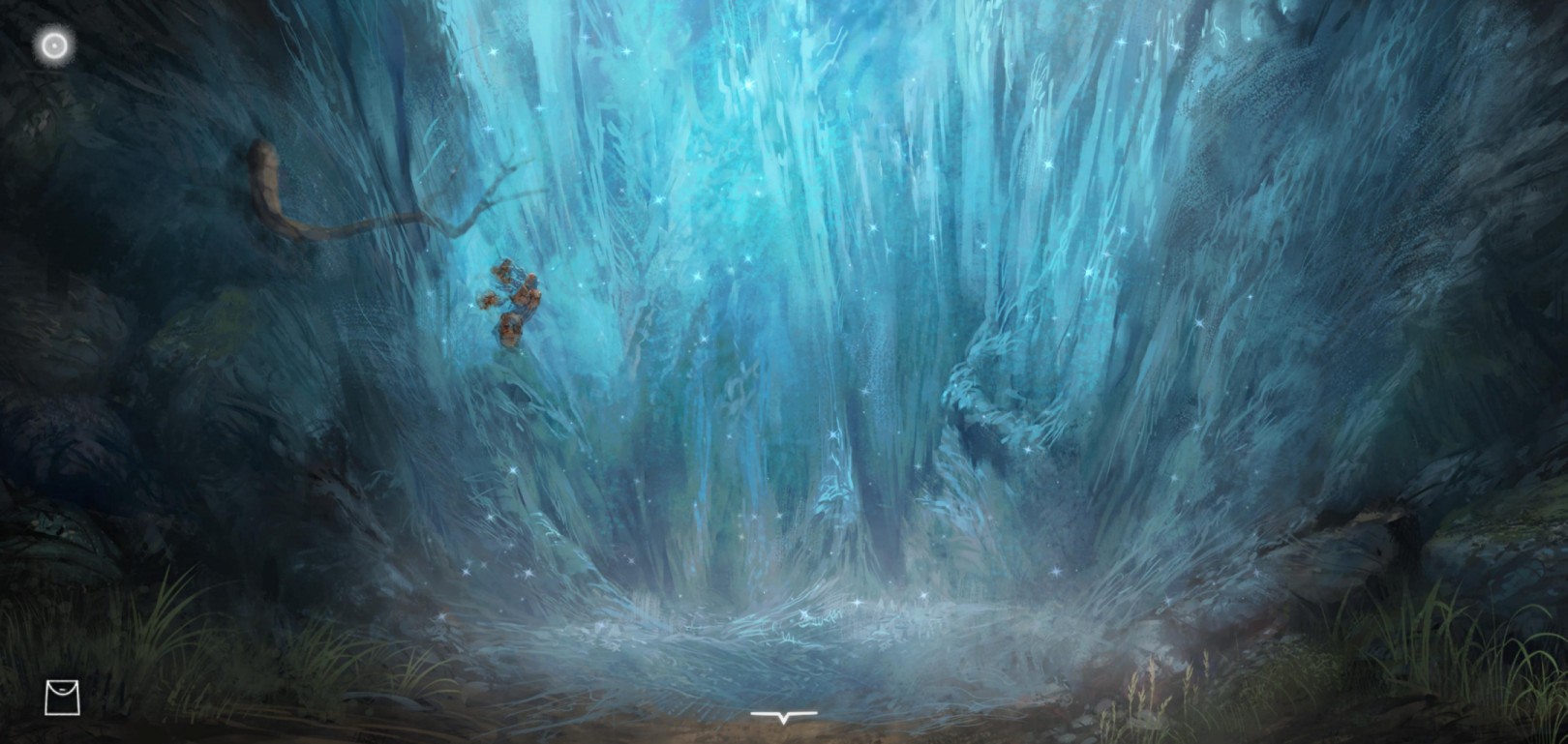
The titular burly men—nearly identical brothers Brave Beard, Steady Beard, and Hasty Beard—set sail from their narrow-minded fishing village in search of adventure. My GDC demo began in this village, where the people are all very caught up in their own lives and no one has the desire to see what else the world has to offer. Popping into the village’s various buildings nails this point home, but eventually you’ll end up in a coffee shop with an old man. The brothers have a map that shows only their island—the rest is blank. That, the man explains, is because the map “has tales yet to tell.” Encouraged, the brothers set sail in search of adventure, only to immediately end up in the belly of a whale. (I hate it when that happens!)
Similar to the developers’ previous game Doggins, Burly Men at Sea has a minimalistic aesthetic reminiscent of a browser-based Flash game and influenced by the simplicity of Scandinavian art. You interact with the three brothers in an indirect way, clicking and dragging on a circular focus area to move the camera, and the characters react to the area that’s illuminated. This indirect control puts some distance between the player and the on-screen happenings, so it feels like a folk tale being told to you as opposed to a quest you’re driving.
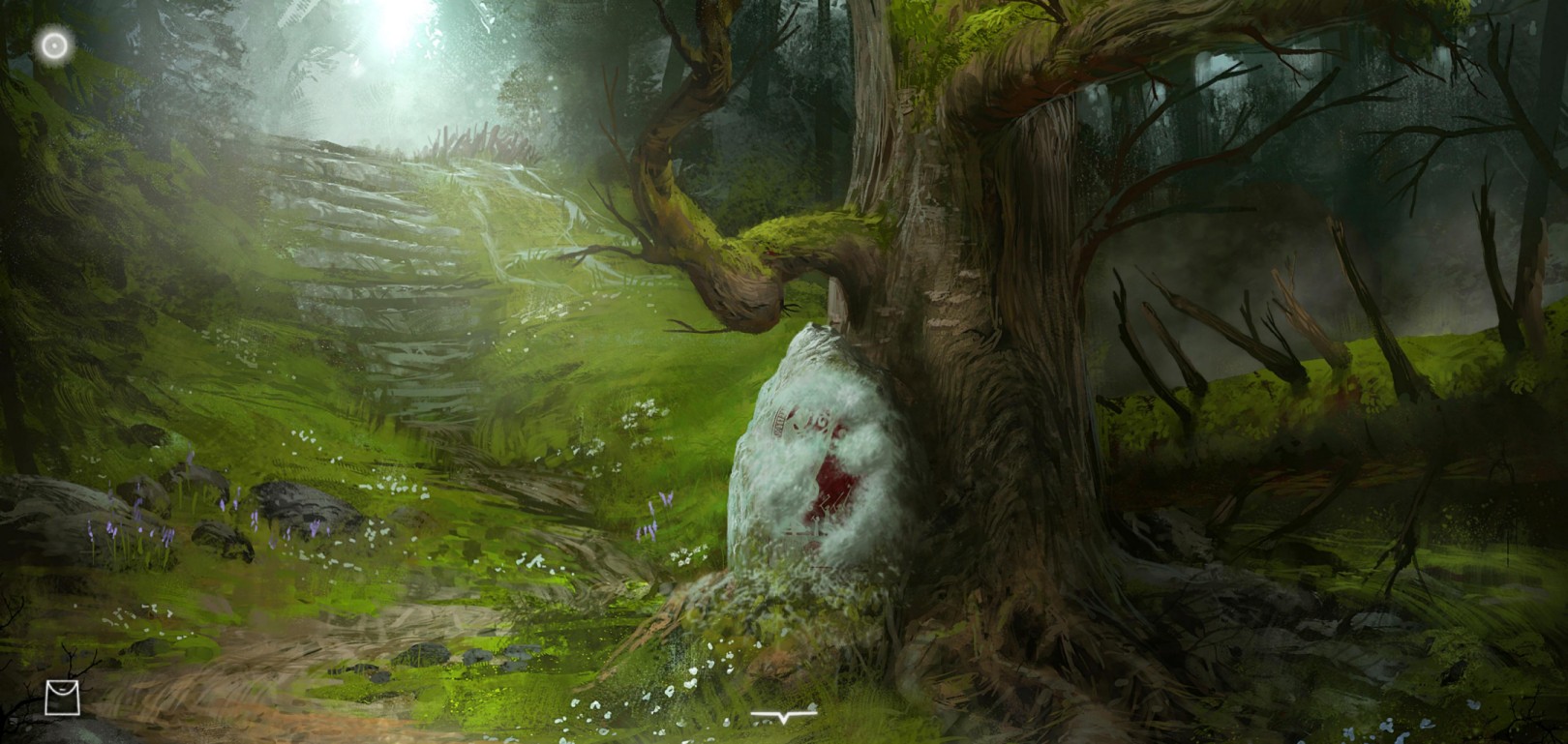
Though it’s a short game (the Condoloras estimate around an hour for one playthrough), replay opportunity awaits thanks to an early decision in the whale’s belly that leads to three non-overlapping storylines. Each brother has a different way of approaching problems: Brave Beard is courageous, Steady Beard is thoughtful, and Hasty Beard forges boldly ahead. Their disparate problem-solving preferences will drive some story branching, but Burly Men is less about complex puzzles than exploration and figuring out how you can manipulate the environment (not a surprise considering the developers name Kentucky Route Zero and Samorost as influences).
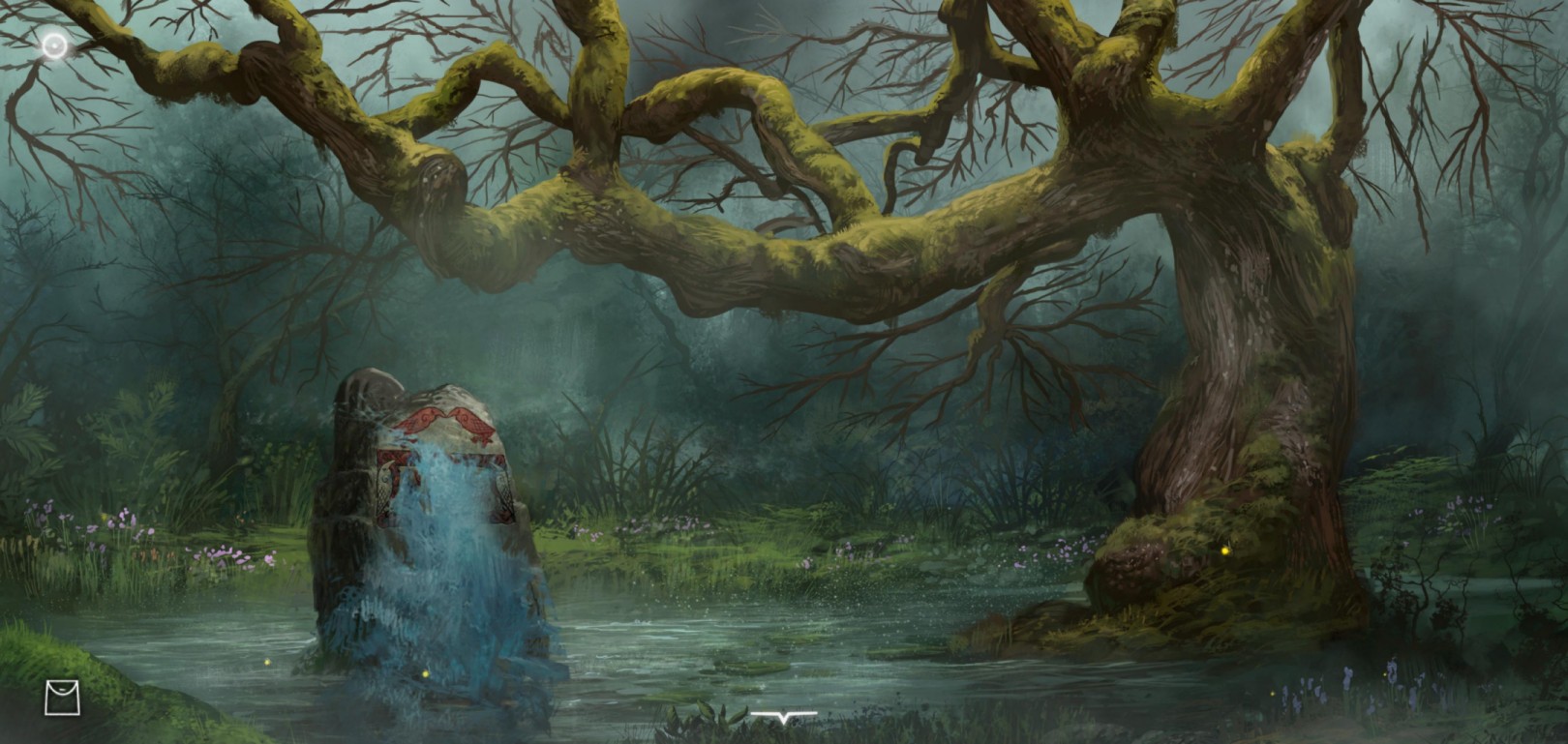
Without realizing it, I took the hasty way out of the whale’s gut (if you’re familiar with Pinocchio or King’s Quest IV, you can probably guess how it went down). The Condoloras said that particular whale escape sent me down one story path; had I been more brave or steady in my approach, I would have seen different results. On each of the three paths, the brothers will encounter unique mythological creatures culled from Swedish and Norwegian legends, from sea nymphs to a kraken to a Scandinavian take on the grim reaper.
Burly Men at Sea is coming to Windows, Mac, iOS, and possibly Android in late summer, with console releases to follow later.
The Lion’s Song
Where do artists find inspiration? In the case of The Lion’s Song, the first spark came in August 2014, during the 72-hour Ludum Dare game jam. The competition’s theme was Connected Worlds, and Stefan Srb (a.k.a. leafthief) explored the idea of two characters conversing over the phone on a split screen. Set in the early twentieth century in the Austrian Alps, this “short story” game became a jumping off point for a four-part episodic series about the origins of creativity that will debut this spring.
Though Srb participated in Ludum Dare on his own, he later pitched the idea for a full-fledged version to Mi’pu’mi Games, a Vienna-based studio that mainly does work-for-hire on AAA games like Hitman. Srb and Mi’pu’mi put The Lion’s Song up on Steam Greenlight to see if people would be receptive to a longer version. In less than two weeks it received enough votes to be greenlit, making The Lion’s Song Mi’pu’mi Games’ first original project.
When he showed me the first episode in progress at GDC, producer Gregor Eigner explained that the game “is about creativity and creative struggle, how to find inspiration. It’s about inventors and creatives before their greatest breakthrough, and how they can solve these issues, the small sparks, where they can find them.” Like the Ludum Dare demo, the first episode features Wilma Dörfl, a fledgling composer whose mentor has sent her to a peaceful cabin to work on her next composition. But even secluded in this natural setting, her creative juices won’t flow—until the phone rings and she starts chatting with a faraway stranger.
Will Wilma find the inspiration to finish her masterpiece? Maybe, maybe not. The episode has three possible outcomes, and some choices will impact later installments. Each episode has a different creative as its protagonist, but they might show up as supporting players in others. Besides Wilma, later episodes will feature “an up-and-coming painter growing through his challenges and a brilliant mathematician trying to make her voice heard in a men’s world.” Though these featured artists are fictional, they’re contemporaries of famous Austrians of the time, from Freud to Schrödinger to Klimt.
It may be point-and-click with pixel art graphics, but The Lion’s Song is much more an interactive story than an old-school adventure game. The gameplay Eigner showed me was extremely streamlined, limited to clicking around the screen to observe potentially inspiring details and choosing what to say to the stranger on the phone. With a 30-45 minute playtime per episode, the team intends for players to digest an episode in one sitting, and then hopefully replay in another sitting or two to see the alternate branches.
The Lion’s Song will be available for PC first, with iOS and Android versions to follow. After its second quarter debut, episodes are expected to release every few months.
Latest Gaming Articles
All Articles